


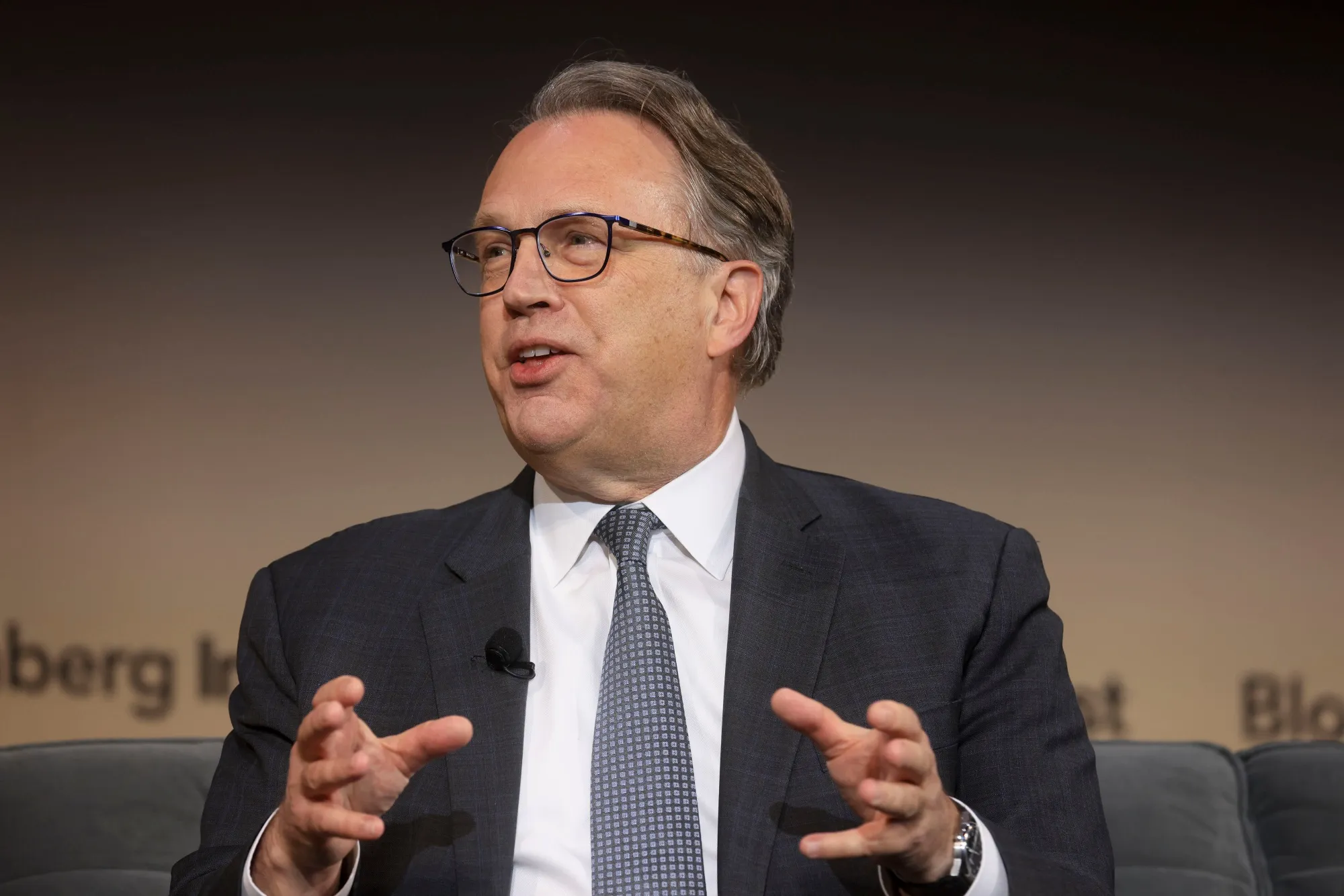
Fed’s Williams Says Monetary Policy Is Well Positioned Amid a Favorable Economic Outlook
Federal Reserve Bank of New York President John Williams said on Monday that he expects the U.S. economy to remain healthy in 2026 and indicated that he sees no immediate need for further interest rate cuts.
Speaking at an event in New York, Williams said the Federal Open Market Committee has “moved the modestly restrictive stance of monetary policy closer to neutral.”
“Monetary policy is now well positioned to support the stabilization of the labor market and the return of inflation to the FOMC’s longer-run goal of 2%,” he said.
Williams emphasized that it remains critical for the Federal Reserve to bring inflation back to its 2% target “without creating undue risks” for employment. He noted that in recent months, downside risks to the labor market have increased as hiring activity cooled, while upside risks to inflation have diminished.
Monday’s remarks marked Williams’ first public comments of the year. The Federal Reserve is widely seen as having entered a pause phase after reducing its benchmark short-term interest rate by a cumulative three-quarters of a percentage point last year, bringing the federal funds target range to between 3.5% and 3.75%.
Those rate cuts reflected policymakers’ efforts to balance a softening labor market against inflation that remains above the central bank’s target.
At its December meeting, Federal Reserve officials projected one additional rate cut later this year, based on expectations that the labor market would remain resilient and that inflation pressures would ease as the effects of President Donald Trump’s unevenly implemented trade tariffs fade. More recent labor market data, however, show subdued job demand alongside still-elevated inflation.
In a December interview following the Fed’s policy meeting, Williams said he did not see an urgent need for another rate cut. Other Federal Reserve officials have echoed similar views in recent days, even as the central bank faces continued pressure from President Trump and his allies to cut rates aggressively despite inflation remaining above target.
In his speech, Williams described his overall economic outlook as “quite favorable.” He expects U.S. gross domestic product growth to range between 2.5% and 2.75% this year, with the unemployment rate stabilizing in the near term before declining in subsequent years. On inflation, Williams said price pressures are likely to peak between 2.75% and 3% in the first half of the year before easing to around 2.5% for the year as a whole. He expects inflation to return to the Fed’s 2% target by 2027.
Independence Under Pressure
Williams’ remarks came at a time of heightened concern over the independence of the U.S. central bank. Late Sunday, Federal Reserve Chair Jerome Powell said the institution had received grand jury subpoenas that could lead to a criminal indictment related to cost overruns associated with renovations at the Fed’s headquarters.
In a statement, Powell described the legal actions as “pretexts,” saying the real issue was whether the Federal Reserve would be able to continue setting interest rates based on economic data and conditions, or whether monetary policy would instead be shaped by political pressure or intimidation.
While Williams said he could not comment directly on any legal investigations involving the central bank or its officials, he warned strongly against undermining central bank independence. He said attacks on such independence often result in “very unfortunate economic outcomes,” including persistently high inflation. Williams also described Powell as “a man of impeccable integrity” who has led the Federal Reserve through particularly challenging periods.
Although financial market reactions have so far been less severe than some feared, the threat of a potential indictment has generated notable bipartisan opposition in Congress. It has also raised the possibility that the president could be prevented from appointing new members to the Federal Reserve’s board unless legal pressure eases.
Williams suggested that the relatively muted market response reflects uncertainty about how the political and legal disputes will ultimately unfold.
“Markets are reacting to what’s happening and adjusting their views as new information emerges,” Williams said after his speech. He characterized market moves so far as moderate, adding that investors lack strong conviction about how the situation will be resolved, which has limited more dramatic shifts in asset prices.